
Rotator cuff tears are injuries in the shoulder that are highly prevalent among athletes as well as adults. Such tears cause damage to one or multiple tendons that are responsible for stabilizing the shoulder join, causing pain, weakness, and reduced motion. The SpeedBridge rotator cuff repair is a modern surgical intervention with a goal to enhance the rotator cuff tear repair. Conventional repair methods have surely evolved, but the SpeedBridge method signifies high advancement in surgical results and recovery of patients.
SpeedBridge Rotator Cuff Tears
Rotator cuff tears occur because of acute injuries, stress, or any kind of degenerative changes that come with aging. Symptoms are pain in the shoulder, specifically at night or while lifting an arm; a crackling feeling during shoulder movement; and weakness. Diagnosis is done through proper physical examination, imaging tests, arthroscopy, etc.
Repairing methods
Traditional methods of rotator cuff tear repair involve open repair, arthroscopic repair, and small open repair. These methods help in reattaching the torn tendon to the bone by making use of sutures or anchors. These methods are effective but have some limitations, such as a long recovery period and risk of retear.
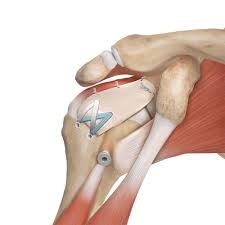
The SpeedBridge rotator cuff repair technique, developed by Arthrex, is a type of arthroscopic procedure that improves the traditional methods by offering a safe and strong repair. This method makes use of knotless anchors along with a suture bridge arrangement, forming a sturdy fixation that causes even distribution of the load around the repairing site.
Steps involved in SpeedBridge rotator cuff tear procedure
Placement of the anchor
The process starts by placing the metal anchors inside the bone located near the rotator cuff tear.
Management of the sutures
The sutures that are attached to the anchors are then made to pass through the affected tendon in a mattress style.
Creating bridge
The sutures are then carried back over the tendon and kept protected into extra anchors on the humerus, forming a bridge on the site of repair. This arrangement helps in eliminating the requirement for the knots, decreasing the bulk of the repair and irritation.
Benefits of Speed Bridge rotator cuff tear
Strong and stable
The SpeedBridge method provides increased fixation power in comparison to conventional methods, decreasing the risk of repeat tearing, specifically during the initial phase of healing.
Enhanced healing
Because of even pressure distribution around the tendons, this method encourages good healing conditions and integration of tendons to the bone.
Minimum invasion
SpeedBridge is an arthroscopic surgical intervention and is thus minimally invasive as compared to open repairing, resulting in decreased postoperative pain, small scars, and rapid recovery.
Initial mobilization
The sturdiness of the repair often results in the early beginning of rehabilitation exercise, which can enhance overall functioning.
Conclusion
The SpeedBridge rotator cuff repair represents a substantial improvement in orthopedic surgery offering a strong and dependable repair with a fast recovery period and good overall results. Like with all surgical processes, the success of this technique relies on several factors, such as the expertise of the surgeon, the adherence of the patient to postoperative rehabilitation, and the range of initial injury. Yet, this inventive approach provides a more promising choice for people suffering from the harmful impacts of rotator cuff tears.
For enquiries and online appointments, send a message to www.BangaloreShoulderInstitute.com/contact
For informative videos related to Shoulder problems and their treatment options, Sports Injuries and other orthopedic conditions, visit the YouTube channel Bangalore Shoulder Institute – https://www.youtube.com/@BangaloreShoulderInstitute
© Copyright 2025 Bangalore Shoulder Institute