
- By shoulderadm
- In Blog
Bone Density Test
Strong and sturdy bones are an absolute necessity for health. Bones protect our brain, heart, and other organs from injury and they also store strengthening minerals such as calcium and phosphorous, and release them into the body when we need them for other uses.Bone density or bone mineral density (BMD) is the amount of bone mineral in the bones. The best way to measure bone health is by doing a bone mineral density test. The higher the bone mineral content, the denser the bones are. And the denser the bones, the stronger they generally are and the less likely they are to break. Men tend to have higher bone density and content and they achieve it at later age compared with women and this has mostly got to do with bone size rather than nutrition, lean mass or physical activity.
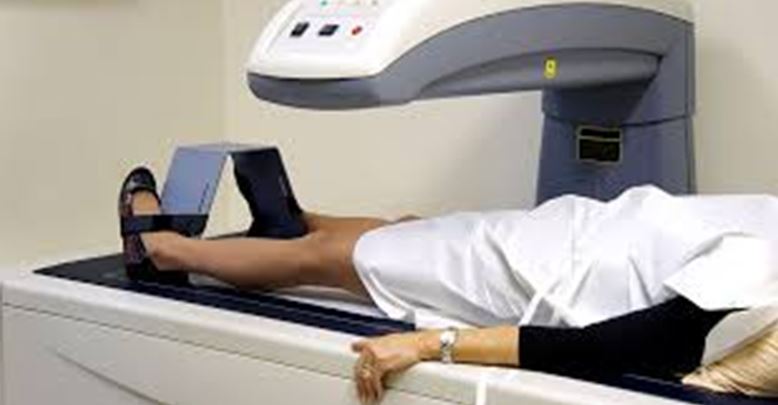
A bone density test called a DEXA scan which is a kind of X-ray enhances the accuracy of calculating your risk of breaking bones and the likelihood of having Osteoporosis. Osteoporosis is a porous bone condition when there is a loss of bone density. Bone is living tissue that is constantly being broken down and replaced. Osteoporosis occurs when the creation of new bone doesn’t keep up with the loss of old boneOsteoporosis is more common in older women, but men can also develop the condition. Women’s lighter, thinner bones and longer life spans are part of the reason they have a higher risk.A bone density test measures how many grams of calcium and other bone minerals are packed into a segment of bone. The bones that are most commonly tested are in the spine, hip and sometimes the forearm. Not everyone who has low bone mass gets osteoporosis, but they are at higher risk for getting it.Low bone mass that is not low enough to be Osteoporosis is sometimes called Osteopenia.
The scenarios when a doctor can recommend a bone density test is if the patient has lost height due to compression fractures in spine, in the case of fragility fractures that could even be caused by hard coughs or sneezes, when there is a long term use of steroid medicines or medications used to treat cancer, if the patient has received a bone marrow or organ transplant, or when there is a reduction in the levels of sex hormones. Bones can also lose density with age and medical conditions like arthritis, asthma, hyperthyroidism, hypopituaritism, eating disorders, Crohn’s disease and Addison’s disease.
Most people will reach their peak bone mass between the ages of 25 and 30. By age 40, however, they will slowly begin to lose bone mass.There are a number of things that can help slow down bone loss like eating foods rich in calcium and vitamin D and doing weight-bearing exercise such as walking, tennis, or dancing. Some of the natural methods to adopt to increase bone density is consuming lots of Vegetables, performing Strength Training and Weight-Bearing Exercises, consuming enough Protein, avoidingvery low-calorie diets or even taking collagen supplements.
For enquiries and appointments, send a message to www.BangaloreShoulderInstitute.com/contact


